
How to Track a Course of Antibiotics for Your Pet
5 minute read
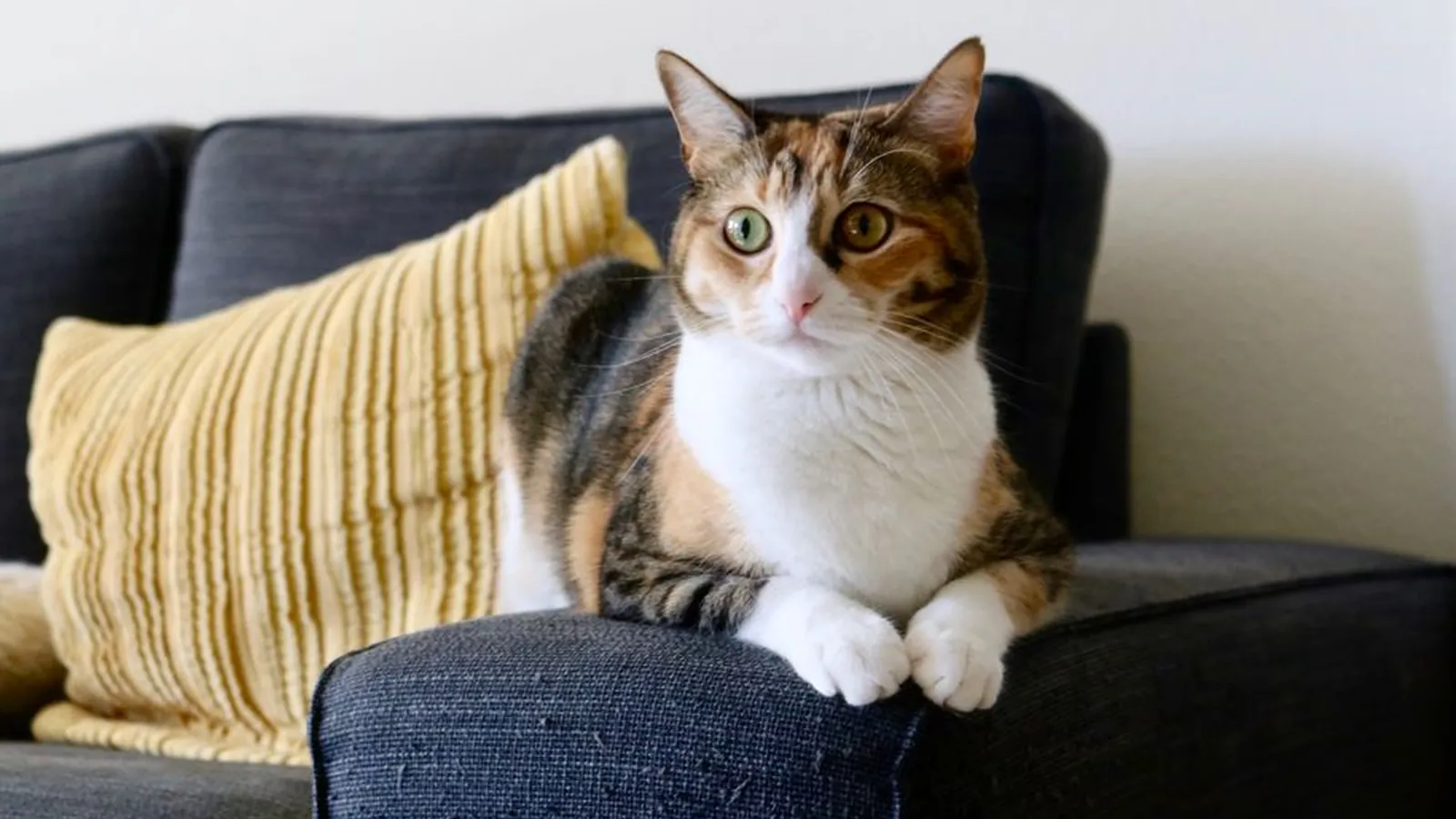
An antibiotic course is a small project: a start date, an end date and a lot of small jobs in between. The short version: write down the vet's instructions before you leave the clinic, turn them into a simple schedule, and tick off every dose in one place that everyone at home can see. This guide is about the organising part. How long, how often and how much are all decisions for your vet. For more on the topic, see our pet medication guides.
How do you keep track of an antibiotic course, step by step?
Start at the appointment, because the details you need are easiest to get while your vet is in front of you. The FDA publishes a list of questions to ask your vet about any medicine, with 14 questions in all, and 9 of them are exactly what a tracking record needs:
- How long do I need to give it?
- How often, and how much each time?
- Should I give it with food?
- How do I store it?
- What should I do if my pet vomits or spits out the medicine?
- If I forget a dose, should I give it as soon as I remember or wait for the next one?
- What side effects should I watch for, and what should I do if I see any?
- When should my pet come back for a recheck?
- Will you call me to check how my pet is doing, or should I call you?
If you want more to take with you, our list of questions to ask at the vet covers the rest of the visit. Write the answers down on the spot, or ask the clinic to put them on the paperwork.
Once you are home, set up the record in four steps.
- Copy the instructions from the label. Use your vet's words and the label on the packet. Do not work out amounts yourself, and do not change them later without checking.
- Fix the dates. Write the first day and the last day, then put the last day on a calendar. Count the doses so you know how many are due in total.
- Pick the times. Choose times that fit your day and match what your vet said. A dose tied to something you already do, such as breakfast, is easier to remember than one set for a random hour.
- Log every dose as it is given. Note the time and who gave it. One line is enough.
Here is what a useful record holds, and where each piece comes from:
| What to record | Where it comes from |
|---|---|
| Name of the medicine | The label or your vet |
| First and last day | Your vet, then your calendar |
| Times each day | The schedule your vet set |
| With food or not | Your vet |
| Where it is stored | Your vet or the label |
| Each dose given, time and who | You, as it happens |
| Recheck date | Your vet |
How do you share the job when more than one person is home?
Use one record, not several. When two people each rely on their own memory of the morning, you get a missed dose or a double one, and nobody can say which. A single shared log fixes that: whoever gives the dose marks it, and the next person looks before reaching for the bottle. We go into this in more detail in our guide on who gave the last dose.
A few habits help:
- Agree on who is responsible for each day, even if others can step in.
- Mark the dose straight after giving it, not later from memory.
- If a pet sitter or relative is covering, hand over the whole record: the medicine, the times, the last dose given and your vet's phone number.
What if a dose is missed or the course looks unfinished?
Missed doses happen. The answer depends on the medicine, so ask your vet. It is question 6 on the FDA's list of 14, and the page says that if you missed a dose, your veterinarian will be able to tell you when to give your pet the next one. It also explains why timing matters: if you skip doses or give the wrong amount, the level of medicine in your pet's bloodstream may be too low for it to work. Don't guess, and don't double up. If you asked the question at the appointment, write the answer at the top of your record so it is there when you need it.
PDSA covers the other 4 situations that come up:
- Your pet seems better before the end. PDSA says to always complete your pet's antibiotic course, even if your pet seems better before it finishes. If you do not finish it, the infection may return, and the second time it could be much worse. If you think the course should stop early, call your vet instead of deciding alone.
- Things are not improving. PDSA advises contacting your vet if your pet has been prescribed antibiotics and the problem does not seem to be getting better. If trouble returns after the course ends, contact your vet for advice, because your pet may need a longer course or further investigations.
- You have tablets or liquid left over. PDSA says to give your vet any antibiotics you are not using, and never to put them in the bin or down the toilet.
- You are unsure what a label means. The instructions should be on the packet, but PDSA says to contact your vet whenever you are unsure.
How do you keep track of it day to day?
A record only works if it's easy to use on a tired morning. Keep it where you will see it, such as on your phone or next to the medicine, and make logging a dose as quick as giving it. Add a reminder for each dose time and a second one for the last day of the course, so the end date does not slip past. Take the record with you to the recheck, so your vet can see exactly what was given and when.
Paw Crew is built for this, and it is coming soon to iPhone. A med course in the Day Ledger lists each dose, and reminders that mark a dose done as soon as you log it keep the Now line up to date. Everyone in the household can see the same record through iCloud sharing, and a vet-ready report puts the course in one place for the recheck. Paw Crew logs and reminds; it does not set doses or schedules, which stay with your vet.
Bottom line
Get the instructions in writing at the appointment, put the first and last day on a calendar, and log every dose in one shared record. When something is unclear, a missed dose included, ask your vet rather than guessing.
Questions
- What do I do if I miss a dose of my pet's antibiotics?
- Call your vet and ask. The FDA says your vet can tell you when to give the next dose, and the right answer can depend on the medicine. The best time to ask is at the appointment, so you already know before it happens.
- Should I stop the antibiotics when my pet seems better?
- Not on your own. PDSA says to complete the course even if your pet seems better before it finishes, because the infection may return, and the second time it could be much worse. If you have doubts, ask your vet.
- What should I do with leftover antibiotics?
- PDSA says to give any antibiotics you are not using back to your vet, and never to put them in the bin or down the toilet.
- What should I write down at the vet's about the antibiotics?
- The name of the medicine, how long to give it, how often, whether to give it with food, how to store it, what to do if your pet vomits or spits it out, and when the recheck is.
Sources
Paw Crew doesn't provide veterinary advice. Always consult your vet.