
Bringing Home a Rescue Dog: The First 30 Days
Время чтения: 5 мин
Этого руководства пока нет на вашем языке, поэтому показываем английскую версию.
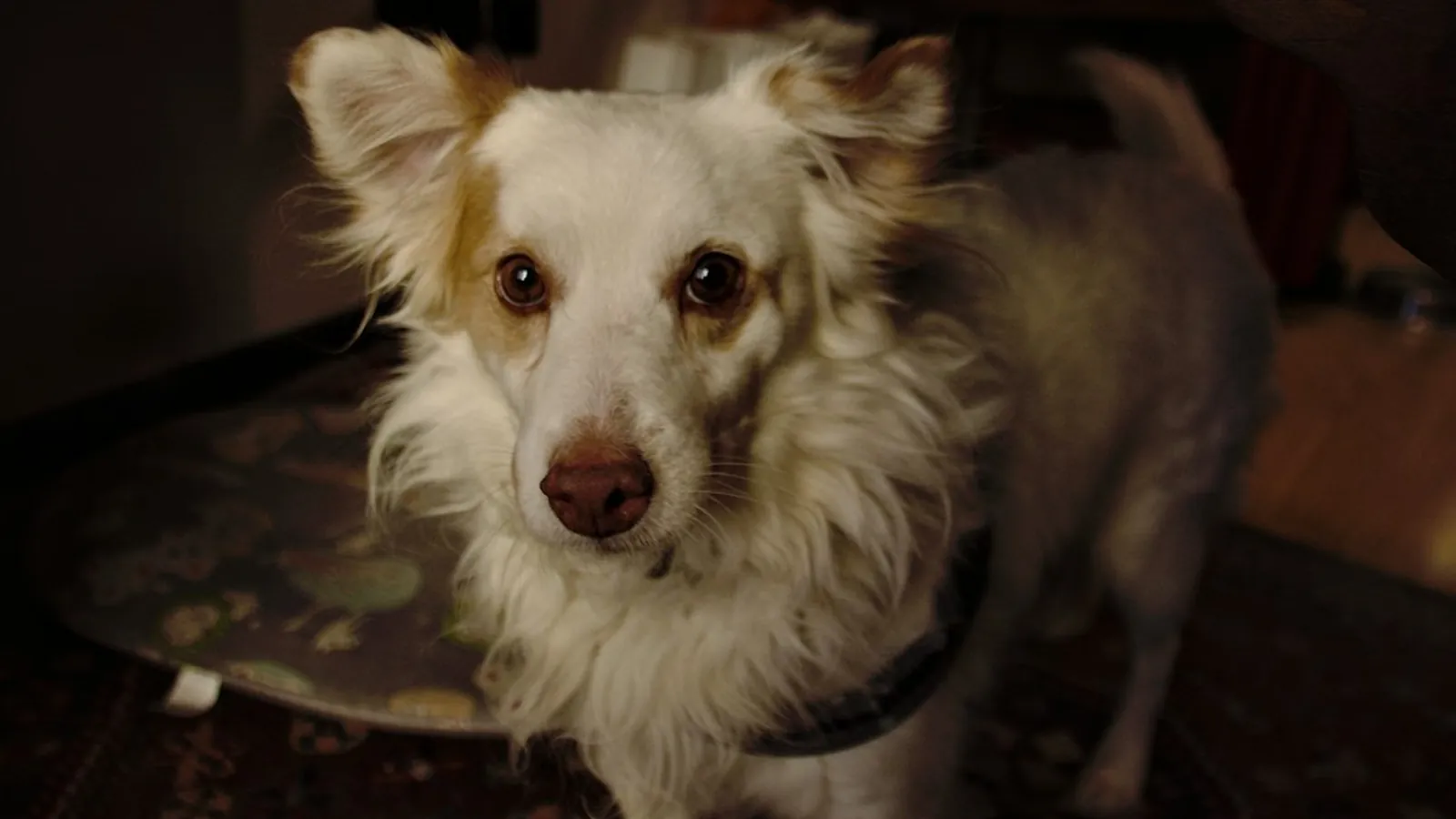
The car door opens, the lead is in your hand, and a dog who has lived in a kennel or a foster home is about to meet your house. For a rescue dog's first 30 days, keep things quiet, keep the day predictable and let the dog set the pace. Keep the paperwork from the rescue in one place, and leave health questions to your vet. This guide is about the routine and the records. For more on welcoming a new animal, see our new pet guides.
What do I do in the first few days?
Keep it quiet and let the dog come to you, and treat the 30 days as a starting point, not a deadline. The AKC says a new dog does not yet know where it is or who you are, so trust builds faster when the dog has a choice, including whether to be petted.
Here is a short checklist for the first days:
- Keep visitors to a minimum, and keep excited children from hugging or crowding the dog.
- Take short, calm trips outside for toilet breaks. Skip busy places and big outings.
- Offer a quiet spot the dog can walk away to, and leave it alone there.
- Keep meals, toilet breaks, naps and play at the same times each day.
- Watch for panting, pacing, a tucked tail or tucked ears, lip licking, yawning, freezing or crouching, and note what was going on at the time. These are things to mention to the vet or the rescue if they keep happening.
- If the dog growls, do not punish it. The AKC points out that growling is communication, and punishing it can teach a dog to give no warning. Give the dog space and think about what set it off.
If you are used to a puppy, our new puppy first-week checklist covers a similar setup. An adult rescue needs the same calm, just at a slower pace.
How do I set up the home?
Start small. The PDSA suggests limiting a new dog to 1 or 2 rooms, using baby gates if you need them, and letting the dog explore more as it relaxes.
A few jobs to do before and just after the dog arrives:
- Choose the retreat spot: a crate in a quiet part of the house, a bed in a bedroom, or a corner with a familiar blanket or toy.
- Agree the house rules with everyone who lives there, so the dog gets the same answer from each person.
- Decide who feeds, who walks and when, so the dog's day does not change with whoever is home.
- Introduce any resident pets slowly, and ask the rescue whether this dog suits them.
Expect accidents. The PDSA says even a house-trained dog may have some indoors in a new home. Do not scold. Give plenty of chances to go outside and reward the dog when it does.
What can I expect from week one to week four?
Every dog moves at its own speed, and the AKC says fearful or anxious dogs can take a few weeks or months to feel comfortable. Use this table as a guide for what to focus on, not a schedule the dog has to meet.
| When | Focus | What to note |
|---|---|---|
| First few days | Quiet, space, one or two rooms | Where the dog chooses to rest, what makes it nervous |
| Week one | Steady times for meals, toilet breaks, naps and play | Toilet trips, accidents, how the dog handles being left alone |
| Weeks two and three | Short, positive training; enrichment; slow walks | What the dog enjoys, new situations that go well or badly |
| Week four | Widen the dog's world a little at a time | Changes since day one, questions for the vet |
Once the dog is comfortable, the AKC suggests short, positive training sessions with treats, toys and praise, plus enrichment such as treat-dispensing toys and nosework. Slow, sniffy walks on a long line attached to a well-fitting harness are a gentle way to let the dog explore.
Questions about food, amounts, exercise or anything medical are for your vet and the rescue. They know this dog's history. A guide like this one doesn't.
What paperwork and records should I keep?
Keep everything from the rescue in one folder, on paper and on your phone. Here is the short list:
- The adoption paperwork and the rescue's contact details.
- The microchip number and the database it is registered with.
- Any vaccination and treatment records the rescue gives you.
- Your vet practice's name, phone number and opening hours.
- Questions you want to ask at the first visit.
The RSPCA says it simply: microchipping only works if you keep your details up to date, and it notes that in the UK dogs over 8 weeks old must be microchipped. When you adopt, ask the rescue how to move the registration into your name, and update it again if you move or change your phone number.
Register with a vet practice early and take the paperwork along. Our guide on what to bring to a first vet visit lists the rest, and the dog vaccination record guide shows how to keep the vaccine history tidy. Which vaccines and treatments your dog needs is for your vet to say.
How do I keep track of the first 30 days?
Pick one place for a simple daily note: meals, toilet trips, walks, accidents, anything you noticed, and who did what. After a few weeks a pattern shows up, and you have something clear to show the vet. A paper chart on the fridge works. So does a shared note.
Paw Crew is coming soon to iPhone, and it is built for this. The Day Ledger shows everything logged for your dog in one day, quick log takes a tap, and reminders mark done when you finish. Household sharing through iCloud means everyone can see who fed and who walked. Anything you notice goes in as an Observation, and the vet-ready report puts it in one place for the first appointment. Paw Crew logs and reminds; it does not give advice.
Bottom line
The first 30 days are about quiet, a steady routine and records you can find. Let the dog set the pace, write down what you see, and take your questions to your vet and the rescue.
Вопросы
- How long does a rescue dog take to settle in?
- It varies from dog to dog. The AKC notes that fearful or anxious dogs can take a few weeks or months to feel comfortable. Treat the first 30 days as a starting point, write down how your dog is doing, and ask the rescue or your vet if you are unsure.
- Should I let visitors meet my new rescue dog straight away?
- Introduce new people gradually and keep excited children from crowding the dog at first. Ask the rescue or your vet how to pace introductions for this particular dog.
- What should I do if my rescue dog has an accident indoors?
- The PDSA says to expect some accidents even from a house-trained dog. Do not scold. Give plenty of chances to go outside and reward the dog when it does.
- What records should I get from the rescue?
- Ask for the microchip number and the database it is registered with, plus any vaccination and treatment records the rescue holds. Keep them where everyone in the household can find them.
Источники
Paw Crew не даёт ветеринарных советов. Всегда обращайтесь к своему ветеринару.