
Questions to Ask at the Vet: A Checklist
Читати: 5 хв
Цього посібника вашою мовою ще немає, тому ось англійська версія.
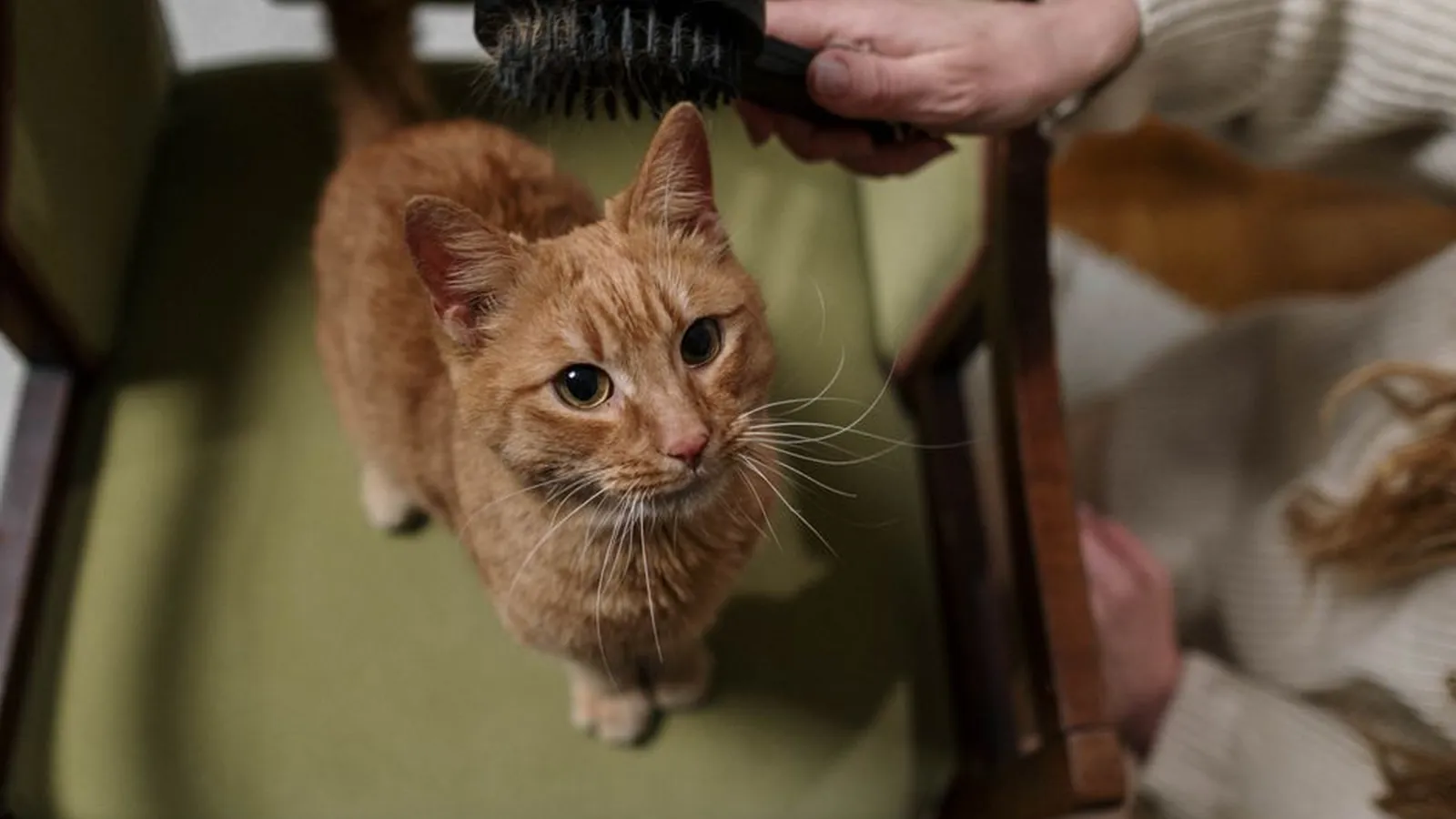
Appointments are short. The questions you meant to ask have a way of vanishing the moment the door closes. The fix is simple: write them down first. Aim for questions about what you'll do at home, and let your vet supply every answer.
This guide is a checklist of what to ask, what to note beforehand and what to bring. It is about organising your questions and records only. Amounts, schedules, foods and treatments always come from your vet. For more, see our vet visit guides.
What questions should I ask at the vet?
Ask about anything you will have to act on at home. PDSA advises preparing a list of concerns or questions beforehand and writing them down so you don't forget them. Put the 2 or 3 that matter most at the top.
Here is a list to start from. Cross out what doesn't apply and add your own.
Routine care
- What check-up and booster schedule do you want us to follow?
- When is the next visit due, and how do I book it?
- Is there anything I should bring next time?
Prevention
- Which preventives does my pet need, and when is each one due?
- How should I record each one so the dates are easy to find?
Food and daily routine
- Is there anything about the current food or routine you want us to change?
- What should I tell you about at the next visit?
Medicines
- What is each medicine for, and how long is the course?
- What should I do if a dose is missed or I'm not sure it was given?
- Who do I call if I have a question after hours?
Between visits
- What changes should I note and tell you about?
- When should I call the practice rather than wait for the next appointment?
Next steps
- What should I do before the next visit?
- Can you write down or send me the plan?
These are questions for your vet, not rules from us. The answers differ for every pet.
What should I write down before I go?
Write down the facts the clinic will ask for. The technician will want detail, and VCA Animal Hospitals suggests preparing them beforehand.
| What to note | Why it helps |
|---|---|
| Food and feeding routine | Be precise. VCA warns that "one scoop" can be one cup or 5 cups. |
| Appetite | Gives your vet the full picture of the routine. |
| Bathroom habits | Easy to forget when you are put on the spot. |
| Exercise routine | Walks, play and rest, as they really happen. |
| Anything you noticed | Write it in your own words, with the date. |
| Medicines and preventives | Names, and the dates each was given. |
If your pet is new to your vet, ask for the earlier records to be sent over. VCA notes they can often go directly from the old clinic to the new one with your permission. We cover how to keep these together in a vet-ready record of your pet's care.
What should I bring along with my questions?
Bring the list, your notes and anything your vet may ask to see.
- Your written questions, with a gap under each for the answer
- Previous records, including vaccinations and preventives
- The names of any medicines your pet is on
- A stool sample, if the practice asks for one (VCA mentions it is useful for parasite testing)
- A carrier or short lead, and a familiar blanket if it helps your pet settle
Our guide to what to bring to a first vet visit has a longer version. If your pet finds the waiting room hard, PDSA suggests asking whether there is a quieter time of day, since booking early in a session may mean fewer animals around.
How do I use the list during the appointment?
Start by saying you have a few questions, and hand over or read out the top ones first. That way the important ones are covered even if time runs short.
As your vet answers, write a short note under each question. If a word or a step is unclear, ask for it to be said again in plain terms. It is fine to ask your vet to write something down for you, such as a medicine name, and it is fine to say you need a moment to note it.
If more than one person looks after your pet, take the list with you or share a photo of it afterwards. Whoever was at the appointment can then pass on exactly what the vet said, rather than a version from memory. This also helps when a family member or sitter handles the next visit.
When you are done, read the list back once before you leave. Anything still unanswered goes on a follow-up list for the practice.
How do I talk about costs?
Be direct. The RSPCA says it's good to speak honestly with your vet about what you can afford, as there may be alternative options. It also says not to be afraid to ask questions, and not to feel guilty about it. Add these 4 questions to your list:
- What are my options, and how do they differ?
- Are there lower-cost choices, and what are the trade-offs?
- Do you offer a payment plan?
- Could you write a prescription I can fill elsewhere?
The RSPCA notes that costs can vary for the same medication, and that vets usually charge a fee for writing a prescription. Ask what that fee would be before you decide.
How do I keep track of it?
Write each answer under its question, add the date, and keep the page with your pet's other records. Then the next appointment starts from where this one ended, and everyone at home can see the same notes.
Paw Crew, coming soon to iPhone, can help with the record side. The Day Ledger holds the care you log, reminders mark done when you've done the job, Observations keep your own notes with dates, and a vet-ready report puts it together for the appointment. Household sharing means everyone sees the same entries. You can read how Paw Crew works to see the full picture.
Bottom line
Write your questions down, put the important ones first, and bring your notes and records. Note each answer as you hear it, and ask your vet to repeat anything unclear. The questions are yours, and the answers are your vet's.
Запитання
- How many questions should I take to the vet?
- Take as many as matter to you, but put the most important two or three at the top so they get asked first. Appointments are short, and a written list means nothing gets forgotten.
- Is it rude to ask my vet about cost?
- No. The RSPCA encourages owners to speak honestly with their vet about what they can afford, because there may be other options. Asking early lets your vet suggest ones that fit.
- Should I take notes during the appointment?
- It helps. Write the answer under each question, or ask your vet to repeat anything that is unclear. Notes you can find later are easier to follow than memory.
- What if I think of a question after I leave?
- Add it to your list and contact the practice. Many clinics are happy to answer follow-up questions, so ask how yours prefers to be reached.
Джерела
Paw Crew не надає ветеринарних порад. Завжди звертайтеся до свого ветеринара.