
Dog Vaccination Record: What to Keep and Where
مدة القراءة: 5 دقيقة
هذا الدليل غير متاح بلغتك بعد، وهذه هي النسخة الإنجليزية.
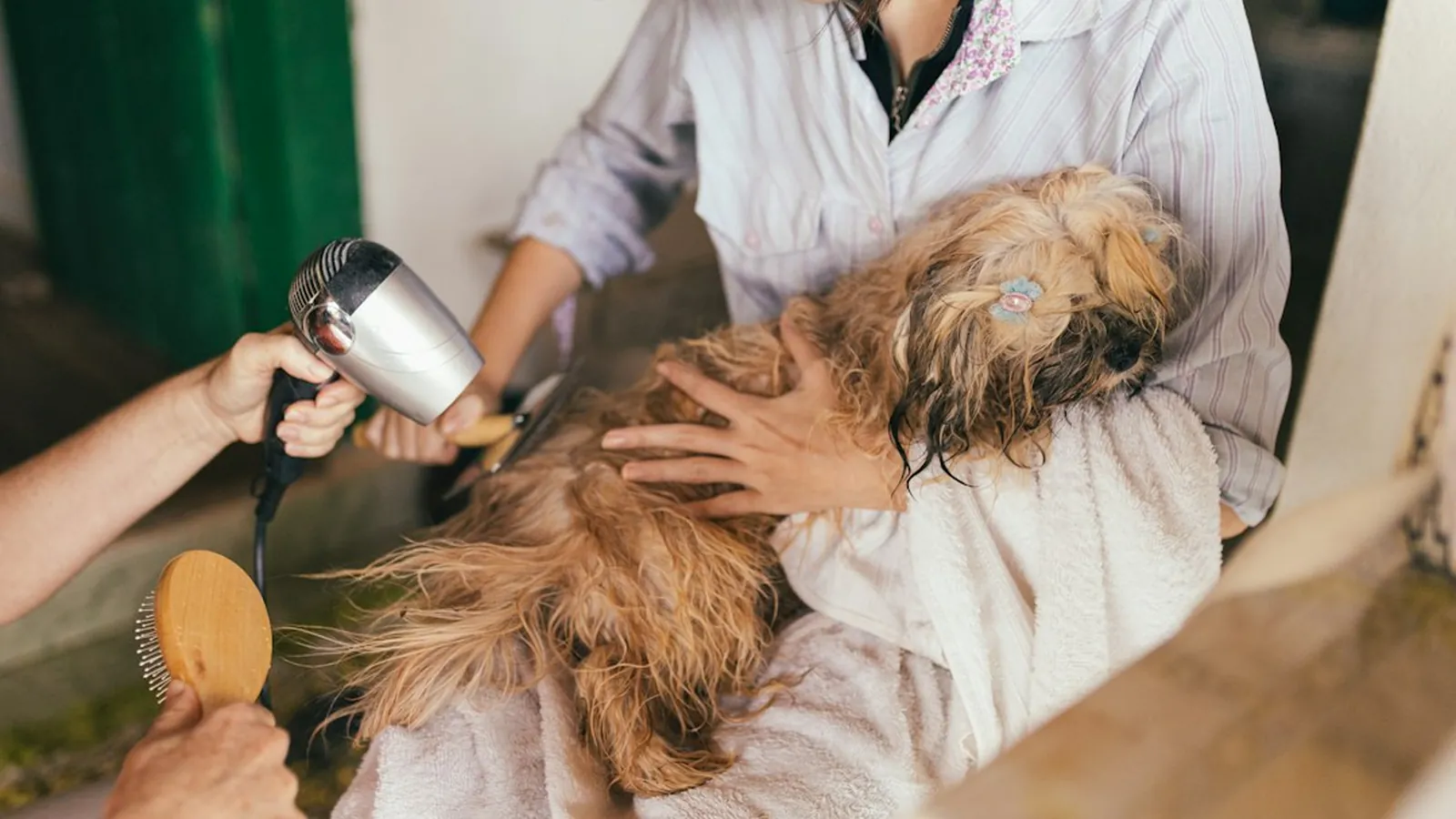
The kennel wants proof of vaccination before the weekend, and the paper is nowhere to be found. A dog vaccination record is the one document that gets asked for at the vet, the groomer, the kennel and on the road. Keep four things: the vet's printed vaccine history, the rabies certificate, your dog's microchip number and the next due dates. Store them in two places, and leave the question of which vaccines your dog needs to your vet.
This guide is about keeping the paperwork in order. For the wider picture, see our preventives guides.
What goes in a dog vaccination record?
The short answer: the vet's own history, plus the certificates and numbers that go with it. Here is a checklist to tick off.
| Keep | Why it matters |
|---|---|
| Vet-printed vaccine history | Shows every vaccine, its date and the next due date |
| Rabies certificate | The paper for that one vaccine, often asked for separately |
| Licence or tag details, if your area uses them | Local rules differ, so ask your vet or local authority |
| Microchip number | Written on your dog's records, and needed for some travel |
| Name of the clinic that gave each vaccine | Lets a new vet ask for the original entry |
| Next due dates | So nothing lapses the week before a booking |
Ask for a printed or emailed copy of the history, not a spoken summary. A record with dates is something a kennel or a new vet can read at a glance.
Who will ask to see it?
Boarding kennels, groomers, daycare and travel are the usual places. Most boarding kennels ask for written proof of vaccination from a licensed vet, plus any pet licences that apply. VCA Animal Hospitals lists 4 vaccines boarding places expect: rabies, canine distemper, parvovirus and Bordetella (kennel cough). It also advises contacting the facility early to find out what else is needed, so there are no last-minute delays.
The exact list differs from place to place. Ask the kennel or groomer for their requirements in writing, then compare them with your record. If something is missing, you have time to talk to your vet.
For trips, the AVMA's travel guidance points to proof of vaccination, especially rabies, plus copies of relevant medical records. A certificate of veterinary inspection may be needed when you cross state or national borders. Rules depend on where you are going, so check the destination with your vet well before you leave.
A sitter may also need the basics. Our guide to how to share your pet's routine with a sitter covers what to hand over, and a copy of the record belongs in that bundle.
What about moving or travelling abroad?
Check early, because some paperwork cannot be fixed after the fact. For dogs entering the United States from high-risk countries, the CDC says a first rabies vaccine must be at least 28 days old before the US-issued form is completed, and that the form cannot be issued retroactively. It also says the microchip number must be documented, and the microchip must be in place before the rabies vaccine. Its page is written for vets, so show it to yours and ask what your own route needs.
The lesson for everyday record keeping is simple: write the microchip number on your dog's records now, and keep the dates exactly as your vet gives them.
How do you keep track of the due dates?
Copy the due dates your vet gives you, and do not work them out yourself. Booster timing varies by vaccine and by place. The AKC says there is not one schedule for all dogs, that adult DHPP boosters run every 1 to 2 years, that rabies boosters come every 1 to 3 years as the law requires where you live, and that which vaccines a dog gets is a decision between you and your vet.
The habit is small. After each visit, ask for the updated record, then put the next due dates in a calendar or reminder. Our guide on how to keep track of your pet's vaccinations shows a few ways to do that, and a vet-ready record of your pet's care gives the dates a permanent home alongside everything else.
Paper and phone: why keep both?
Paper survives a flat battery and a phone survives a lost folder. Keep the originals in a folder at home, and a photo of every page on your phone. Name the files by dog and date, so "Biscuit vaccine history Oct" is easy to find at the counter.
Two more habits help:
- Put a paper copy in the bag you take to the kennel or on a trip.
- If you change vets, ask the old clinic to send the full record across, and check the microchip number made it.
If more than one person looks after your dog, share the folder. Our checklist of what to bring to a first vet visit is a handy partner for a new clinic.
What mistakes catch people out?
A few small slips cause most of the trouble, and each has an easy fix:
- Keeping only the receipt. An invoice shows you paid, not what was given. Ask for the vaccine history as well.
- Relying on memory for dates. A guessed date on a form can be wrong. Read it from the record or ask the clinic.
- Leaving it until booking week. If a record is missing or out of date, you want days to sort it out with your vet, not hours.
- Forgetting the microchip number. It is easy to lose, and it is worth writing on every page you keep.
- Mixing up dogs. In a house with more than one, put each dog's name at the top of its own page.
Keep track of it with Paw Crew
Paw Crew is coming soon to iPhone. You can log a vaccination the day it happens, keep the next due date in view, and set a reminder that marks done when you tick it off. Everything sits on your iPhone and in your own iCloud, and the vet-ready report puts the record in one place you can show at a counter or a clinic. Paw Crew logs and reminds; your vet decides what your dog needs.
Bottom line
Keep the vet's printed history, the rabies certificate, the microchip number and the next due dates. Store them on paper and on your phone, and check each kennel's or country's rules early. Your vet decides which vaccines your dog needs and when.
أسئلة
- What should a dog vaccination record show?
- Each vaccine given, the date, the date the next one is due and the clinic that gave it. Ask your vet for a printed or emailed copy so you are not relying on memory.
- Is a rabies certificate the same as a vaccination record?
- Not quite. The certificate is the paper for that one vaccine, and the full record lists everything your dog has had. Keep both, and ask your vet or local authority which one a licence or a trip needs.
- How long should I keep old vaccination records?
- Keep them for as long as you have your dog. Old entries help a new vet, a kennel or a rescue see the whole history, and your vet will have a copy too.
- What if I have lost my dog's records?
- Call the clinic that gave the vaccines and ask for a copy. If you do not know which clinic, ask your current vet what they can do. Do not guess at dates.
المصادر
لا يقدّم Paw Crew نصائح بيطرية. استشر طبيبك البيطري دائمًا.