
Guinea Pig Care Checklist: Setup, Daily and Weekly Jobs
5 minutter å lese
Denne veiledningen er ikke tilgjengelig på språket ditt ennå, så her er den engelske versjonen.
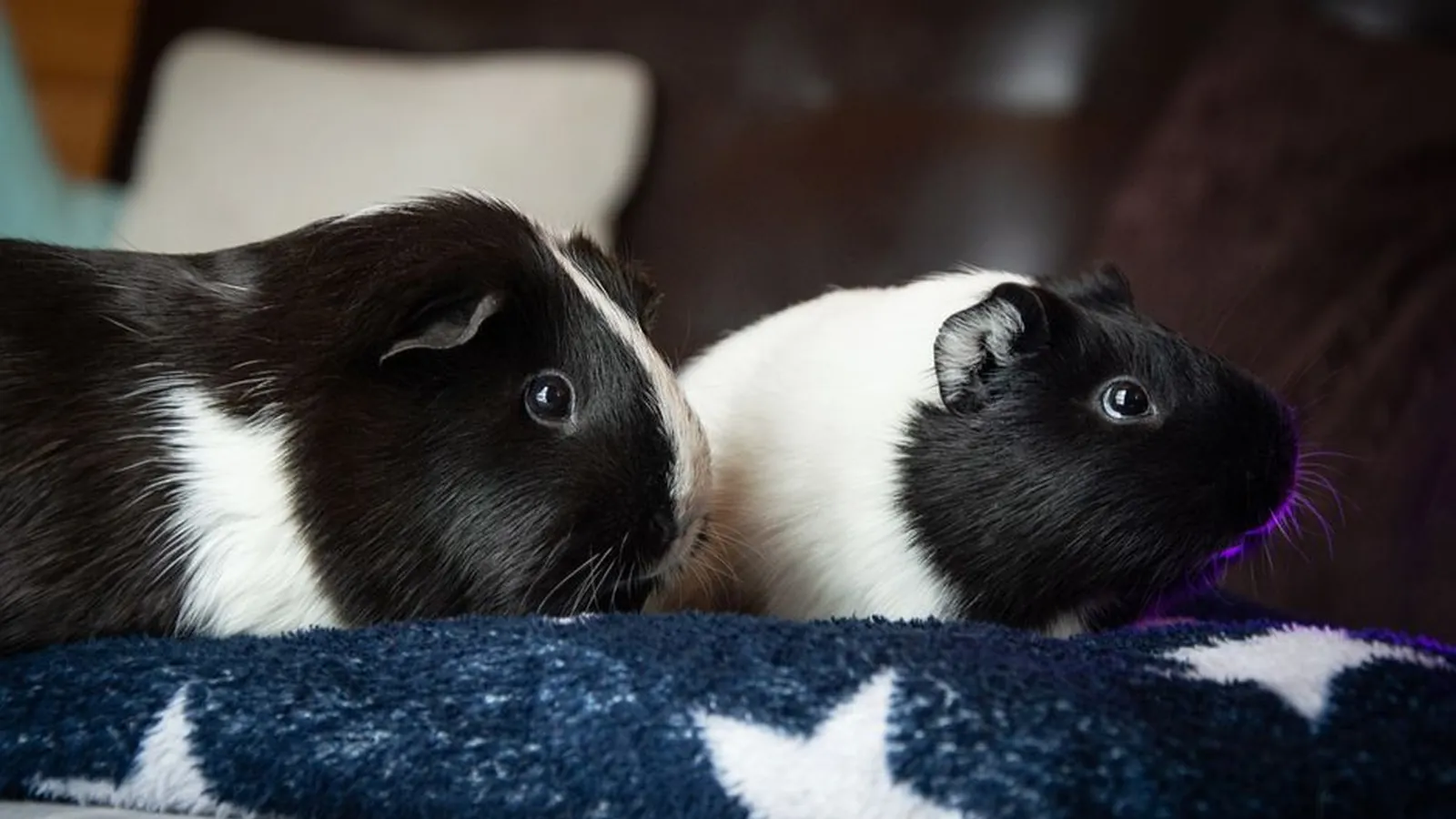
A guinea pig care checklist has three parts: a one-time setup, a short daily round, and a bigger weekly clean. Most of the work is small and repeated, so it's easy to lose track of. When two or three people share the care, "did anyone check the water?" often goes unanswered.
This guide organises the routine and the records. It doesn't set amounts or schedules for your pigs. The sources describe general care. Your vet knows your animals, so ask them where yours need something different. For more, see our small pet guides.
What goes on the setup checklist?
The setup is the part you do once and then only check: a solid floor, enough space, safe bedding, somewhere to hide and company. Here is what the sources say, in a table you can tick off.
| Item | What the sources say | Done |
|---|---|---|
| Floor | Solid, not wire. The Merck Veterinary Manual calls a solid floor essential to avoid foot injuries, and VCA says wire mesh can cause foot sores | |
| Space | Merck gives 7.5 square feet for one guinea pig, plus roughly 2 to 4 square feet for each extra one. VCA gives at least 24 by 36 inches and says bigger is better. The two differ, so ask your vet | |
| Temperature | Merck gives 18 to 26 C (65 to 79 F). VCA says above 80 F (27 C) raises the risk of heat stroke | |
| Bedding | Recycled paper or fleece. Both sources say to avoid wood shavings | |
| Hiding places | Merck says more hiding spots than guinea pigs, so three pigs need at least four. VCA says at least one hidey hut each | |
| Company | VCA says guinea pigs are highly social and should be kept in groups of at least two |
Add a line for each pig's name too, so you can tell them apart in the log. Ventilation matters as well. Merck says good airflow is needed and glass aquariums are not recommended.
What goes on the daily checklist?
The daily round is hay, fresh food, fresh water and a quick look at the cage and at the pigs. Keep it short enough that it really happens.
- Hay. PDSA says hay and grass make up most of the diet and cannot be overfed. Merck calls grass hay the core of an adult's diet.
- Fresh vegetables. PDSA says to offer a variety each day, with some rich in vitamin C. How much to offer is a question for your vet.
- Water. VCA says to change it daily. Merck says guinea pigs drink more from a bottle than a bowl, and that the sipper tubes get dirty, so check the nozzle.
- Cage spot check. VCA says to spot-check the cage daily. Merck notes that guinea pigs soil their sleeping areas, so it needs frequent cleaning.
- A look at each pig. Does everyone come out for food? Does anything look different from yesterday? You're not judging anything. You're noticing, so you can tell your vet.
Why does vitamin C keep coming up?
Guinea pigs cannot make their own vitamin C, so it has to come from food, according to Merck. Merck and PDSA both say not to add it to the drinking water, because it breaks down and the taste can put pigs off drinking. Both also say to change foods gradually, and PDSA says a change should take two to four weeks. Whether your pigs need a supplement is something to ask your vet.
What goes on the weekly checklist?
The weekly round is a full clean of the cage plus a few checks. VCA says to clean the cage fully at least once a week.
- Full cage clean and fresh bedding.
- Pellet date. VCA says to use pellets within 90 days of the manufacture date, and PDSA says within three months of purchase, because vitamin C breaks down over time.
- Water bottle and hiding places.
- Anything you wanted to ask the vet this week, written down before you forget it.
Weighing, nail care and checkups are for your vet to set. Ask what they want for your pigs and add it to the list.
What should you log?
A log turns "I think she was eating less" into something your vet can use. These are the entries worth keeping:
| Entry | Why it helps |
|---|---|
| Hay, vegetables and water done, and by whom | Stops double feeding and missed jobs |
| Cage cleaned | Shows the weekly clean really happened |
| Weight, if your vet asks for it | Gives a trend, not a guess |
| Observations: appetite, droppings, water, behaviour | Gives your vet dates and facts |
| Anything odd | Written down while it is fresh |
One item deserves a mention. VCA says a guinea pig that does not eat its own droppings should be evaluated by a vet. If you notice something like that, write it down and call your vet. A vet-ready record of your pet's care makes that call easier.
How do you use the checklist?
Put it where everyone sees it, such as the fridge or a shared note, and tick each job once. Split the jobs by person so "hay and water" has a name next to it. Review it once a month: if a job keeps getting missed, change who owns it or when it happens, rather than blaming anyone. A checklist is only useful if it fits the way your household really works, and you can reword it whenever your vet gives you new advice. If you also keep other small pets, the same layout works for the rabbit care schedule.
Keep track of it
A paper list works until two people tick the same box, or nobody does. Paw Crew, coming soon to iPhone, keeps a shared Day Ledger where each job is logged once, with reminders that mark done and household sharing through iCloud, so everyone sees what has been done. You can also record Observations and weight over time, then hand your vet a tidy report. Paw Crew logs and reminds. It does not give care advice.
Bottom line
Set up the cage once, run a short daily round, do a fuller clean each week, and write down what you notice. Treat the numbers in guides as general starting points and ask your vet what suits your guinea pigs.
Spørsmål
- Do guinea pigs need company?
- VCA Animal Hospitals describes guinea pigs as highly social and says to keep at least two. Ask your vet about pairing and about keeping groups of the same sex.
- Why does vitamin C come up in every guinea pig guide?
- Guinea pigs cannot make their own vitamin C, so it has to come from food, according to the Merck Veterinary Manual. Merck and PDSA both say not to add it to drinking water. How much your guinea pigs need is a question for your vet.
- How often should the cage be cleaned?
- VCA says to spot-check the cage daily and clean it fully at least once a week. Water is changed daily.
- What should I write down for the vet?
- Note what you saw and when: appetite, droppings, water, weight and any change in behaviour. Your vet decides what it means.
Kilder
Paw Crew gir ikke veterinærråd. Spør alltid veterinæren din.