
Lost Dog: What to Do in the First Hour
4 minutter å lese
Denne veiledningen er ikke tilgjengelig på språket ditt ennå, så her er den engelske versjonen.
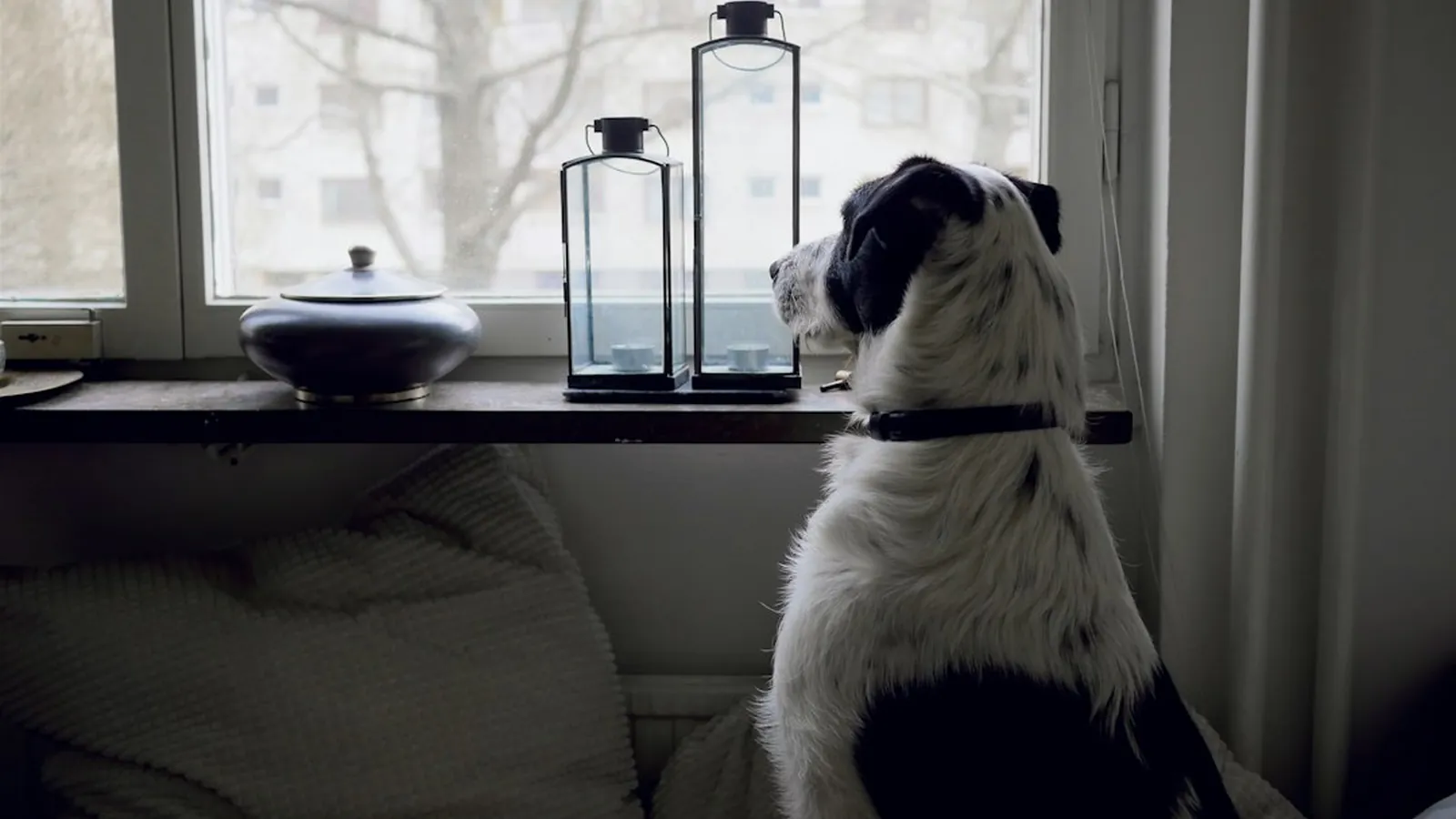
If your dog is missing, start moving now and keep it simple: search your home and the spot where your dog got out, tell the neighbors, call your microchip company, local shelters and vets, and post a clear photo. This guide puts those steps in order and shows what to write down as you go. It is one of our lost-pet and safety guides.
Stay calm if you can. A plain list is easier to follow than a head full of worry, and it gives you something to do with your hands while your mind races. Read it once now, then work down it one line at a time. You don't need to do everything at once. Just keep going.
What do I do first when my dog is missing?
Search close to home, then on foot around the place your dog got out. Work through this list in order, and hand a few jobs to someone else if they are with you.
- Check inside. Look in closets, behind appliances, under the sofa and in the garage. Confirm that nobody left a gate or door open. The AKC advises this first, before you assume the worst.
- Search on foot. Start where your dog was last seen. Many dogs stay within a small area in the early hours, so walk familiar routes, parks and the homes of neighbors your dog knows.
- Take the basics. A leash, high-value treats and a favorite toy. PDSA suggests making the same sound you use at home when you hand out a treat, such as shaking the treat bag.
- Ask the neighbors. Knock on doors and ask people to check gardens, garages, sheds and greenhouses. Ask whether anyone has security camera footage, and leave a recent photo with your phone number. PDSA also suggests checking your old home if you have recently moved.
- Call the microchip company. Report your dog missing and confirm that your phone number and email are current. Add a second contact if the company allows it.
- Call shelters, animal control and vets. Give a description, a photo and the microchip number. In the UK, that includes your council's dog warden. Leave your number with local vets even if nobody has brought your dog in.
- Post online. Share a clear photo, the last known place and a note on how your dog reacts to strangers in local lost-pet groups and neighborhood apps.
- Put up flyers. You can make a lost-pet poster in a minute with a large photo, your dog's name, breed, distinguishing features, where and when it was last seen, and your phone number.
What if I see my dog and it is scared?
Don't chase. A frightened dog can bolt farther away. The AKC suggests you stop moving, turn your body sideways and avoid direct eye contact. Crouch low, speak softly and toss treats nearby without walking straight at the dog. Then let it come to you.
If your dog tends to hide or startle, add a bold "DO NOT CHASE" line to your flyers so a kind stranger doesn't make things worse.
What should I avoid?
Keep public details limited and watch out for people who are not what they seem.
- Do not offer a reward. PDSA says a reward can attract people motivated only by money, and they may put themselves or your dog at risk.
- Beware of scams. Some people falsely claim to have found a pet and ask for a fee. Never pay before you have verified that they really have your dog.
- Ask for proof. Ask anyone who contacts you for a photo of the dog before you share personal information. Be ready to give proof of ownership yourself if you are the one asked.
- Call the police only if you think your dog was stolen. In that case, report it as soon as you can and still follow the steps above.
What should I write down?
A running log keeps you from repeating calls and shows patterns once the search goes past the first hour. The AKC recommends logging every sighting, because patterns can help narrow the search.
| What | Write down |
|---|---|
| Calls | Who you spoke to, the time, what they said, whether to call back |
| Sightings | Time, place and who reported it |
| Posters and posts | Where you put them and when |
| Shelter visits | Which shelter, the day, who you spoke to |
| Microchip | Company name, chip number, the date you reported your dog |
How do I use this checklist with other people?
Split the list so two people aren't making the same call. One person walks the neighborhood, one phones the microchip company, shelters and vets, and one handles the online posts. Everyone adds to the same log. With household sharing, people in your home can see one shared record instead of passing notes around.
After 24 hours, the AKC suggests widening the area, revisiting your first search spots, and searching at dawn and dusk when foot and vehicle traffic is low. It also advises checking shelters in person and daily, since staff can recognize a dog by sight better than from a phone description.
Keep track of it
Paw Crew is coming soon to iPhone. It is built to keep the care of your pets in one shared record, and that includes the lost-pet card, which makes a Lost poster and a pocket card with your pet's photo, name, microchip number and the phone number you choose. The Day Ledger and Observations give you a place for notes in your own words, and household sharing keeps everyone in the home looking at the same record. It logs and reminds. It doesn't replace a call to your vet, your microchip company or your local shelter.
Bottom line
In the first hour, search close to home and the escape point, tell your neighbors, call your microchip company, shelters and vets, and post a clear photo. Don't chase a scared dog, don't offer a reward, and keep a log of every call and sighting so nothing gets lost.
Spørsmål
- Should I wait to see if my dog comes back on its own?
- No. Start searching right away, beginning at home and around the spot where your dog got out. The AKC notes that many dogs stay within a small area in the early hours, so the first stretch is when a close search pays off.
- Who should I call first?
- Your microchip company, if your dog is chipped, then local animal control, shelters and nearby vets. In the UK, also your council's dog warden. Give each of them a photo, a description and your phone number.
- Should I offer a reward?
- PDSA advises against it, because a reward can attract people who are motivated only by money and may put themselves or your dog at risk. Never pay anyone before you have checked that they really have your dog.
- What if I see my dog but it runs from me?
- Do not chase. Stop, turn sideways, avoid direct eye contact, crouch low, speak softly and toss treats nearby so your dog can come to you.
Kilder
Paw Crew gir ikke veterinærråd. Spør alltid veterinæren din.