
Pet Meal Times: How to Set a Schedule You Can Keep
Lukuaika 5 minuuttia
Tämä opas ei ole vielä saatavilla kielelläsi, joten tässä on englanninkielinen versio.
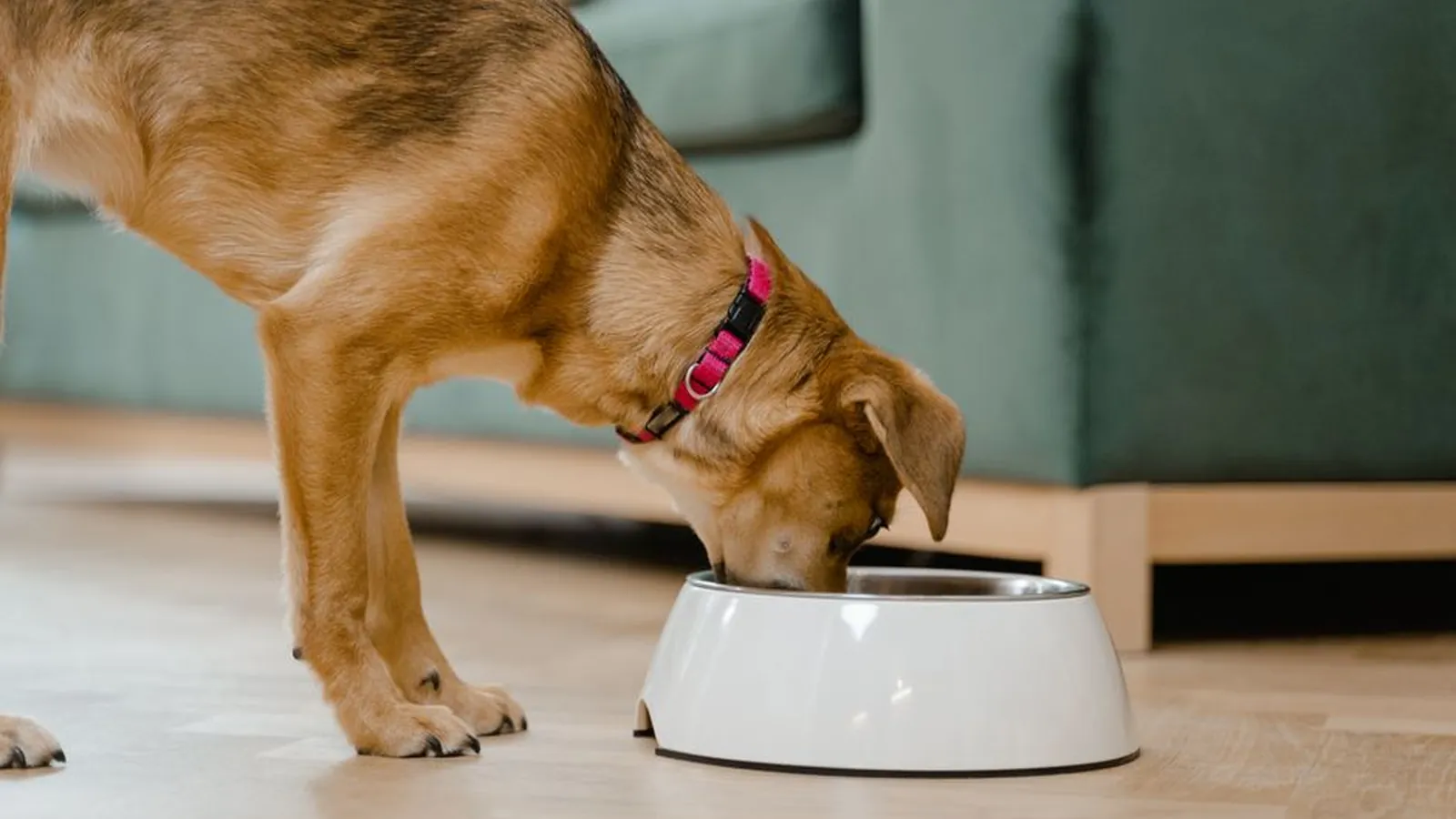
A meal schedule only helps if you can keep it. The short version: choose a few fixed times that fit your own day, write them down where everyone can see them, and ask your vet how often and how much your pet should eat. This guide is about the organising part. The plan itself, the number of meals and the portions, belongs to your vet. For more on the topic, see our feeding guides.
Why do regular meal times help?
Regular times give a pet a routine it can predict, and they give you something to check against. VCA Animal Hospitals notes that dogs are creatures of habit, and that feeding an adult dog at regular times provides the security and predictability of a routine. The same page says a steady schedule also makes it easier to move to a new food later.
There is a record-keeping benefit too. The Merck Veterinary Manual describes portion-controlled feeding, meaning 2 premeasured meals at regular times each day, as the approach for helping most adult dogs avoid obesity. When meals happen at set times, a missed or doubled one stands out.
How often your own pet should eat is a different question. VCA says the most common recommendation for dogs is at least 2 meals per day, though some dogs do fine with one and others need more. Cornell says cats of about 1 year old typically do well fed once or twice a day. Age, health and preference all play a part, so ask your vet and write down what they tell you.
How do you pick times that fit your household?
Start from your own day, not from an ideal one. The Cornell Feline Health Center puts it simply: find a schedule that works for you and your cat, and then keep it consistent. It adds that evenings can be easier when the house is quieter, and that early mornings before everyone is up can work when evenings are busy.
Find your anchor times
Tie each meal to something that already happens every day: you wake up, you leave for work, you get home, you go to bed. An anchor you already keep is easier to remember than a clock time you chose from scratch.
Write the plan down
A short table is enough. Fill in the times your vet's plan allows, and leave a notes column for the odd day.
| Meal | Time | Who | Notes |
|---|---|---|---|
| First | Before leaving | Whoever is up first | Check the bowl is clean |
| Second | After getting home | Whoever arrives first | Note anything left over |
Put it on the fridge or in your notes app, somewhere the whole household will see it.
What about pets that graze?
Some pets nibble all day. VCA suggests setting mealtimes anyway, and if grazing continues, measuring out the day's full portion and tracking what is left. The Merck Veterinary Manual says some adult dogs can be fed free choice, but most cannot without becoming obese. Cornell says free feeding may be acceptable for some cats, while for others it can lead to overeating and weight gain.
The answer varies from pet to pet. If your pet grazes, tell your vet and ask which approach suits them. Whatever you decide, a note of what was offered and what was left gives you something concrete to talk through.
What if more than one person feeds the pet?
Shared feeding is where meals get missed or doubled. Nobody does it on purpose. Each person just assumes someone else has it covered. The fix is one record that everyone updates the moment a meal is given, so the next person sees it before they pick up the scoop.
Multi-pet homes add another wrinkle. Cornell points out that in a home with several cats, not all of them come when called for dinner, and feeding them separately or in different parts of the house may help. Note which pet ate what, so one record does not blur two animals together. If you want a fuller walk-through, see how to keep a feeding log, or read our guide on building a feeding routine.
How do you keep it going when life changes?
Schedules slip when work shifts, a visitor stays, or the clocks change. Rather than abandoning the plan, move the anchor and note the change. A line in the log such as "dinner moved later, guests" is enough, and it lets everyone see the reason.
Pay attention to patterns in the record. VCA says that if a dog leaves part or all of a meal, it can be a signal that something is wrong and a vet visit should be scheduled. Paw Crew does not assess your pet. What the log can do is give you a clear, dated record to show your vet.
What are the common problems with meal schedules?
Most trouble comes from plans that are too ambitious or too vague. These come up most in shared homes.
- Too many fixed times. A plan with a meal at a minute-exact hour breaks the first busy morning. Use a window you can meet, then record the real time.
- No named person. "Someone will do it" means nobody does. Put a name or a role next to each meal, even if it rotates.
- Changes that stay in someone's head. If your vet adjusts the plan, update the shared record the same day so a sitter or housemate does not follow the old one.
- Treats and extras left out. Anything given between meals is part of the day. Add it to the notes so the record matches what really happened.
- Never reviewing it. A pet's needs change with age and health. Look over the plan at each vet visit and ask whether it still fits.
None of these needs a perfect system. A small plan, written down and checked now and then, does most of the work.
Keep track of it
A routine holds when it is easy to follow. Paw Crew, coming soon to iPhone, keeps meals in the Day Ledger, so each one is logged with a tap and the Now line shows what has been done today. Reminders that mark done nudge you at the times you set, and household sharing means everyone sees the same record. Paw Crew logs and reminds. The schedule itself comes from your vet.
Bottom line
Pick a few anchor times you can really keep, write them down, and let everyone in the house see the same record. Ask your vet how often and how much your pet should eat, and use the log to follow their plan.
Kysymykset
- How many meals a day should my pet have?
- That depends on age, health and the individual pet, so it is a question for your vet. Paw Crew does not set a number. It helps you keep to the schedule your vet gives you.
- What if my own schedule changes from day to day?
- Choose anchor times that survive a normal week, such as before you leave and after you are home, and note any shift in the log so everyone in the household can see it.
- What if my pet leaves some of a meal?
- Note it in the log and mention the pattern to your vet. VCA Animal Hospitals says a break in eating habits can be a warning sign, so it is worth raising with them.
- How do two people avoid feeding the same meal twice?
- Log each meal as it happens in one shared record, so the next person sees it was done before they fill the bowl.
Lähteet
Paw Crew ei anna eläinlääketieteellisiä neuvoja. Kysy aina neuvoa eläinlääkäriltäsi.