
How to Keep a Feeding Log for Your Pet
อ่าน 6 นาที
คู่มือนี้ยังไม่มีในภาษาของคุณ จึงแสดงฉบับภาษาอังกฤษแทน

A pet feeding log is a short, dated record of what your pet was offered, what was left, who fed them and when. It ends the "did anyone feed him?" question at the kitchen door, and it gives your vet something concrete to look at instead of a guess from memory.
You don't need a special tool to start. A sheet of paper by the bowls works, and so does a shared note. What matters is that the log is quick, lives in one place, and gets written at the moment of feeding. Below: what to put in it, how to start, and how to share it. For more on the topic, see our feeding guides.
What should a pet feeding log include?
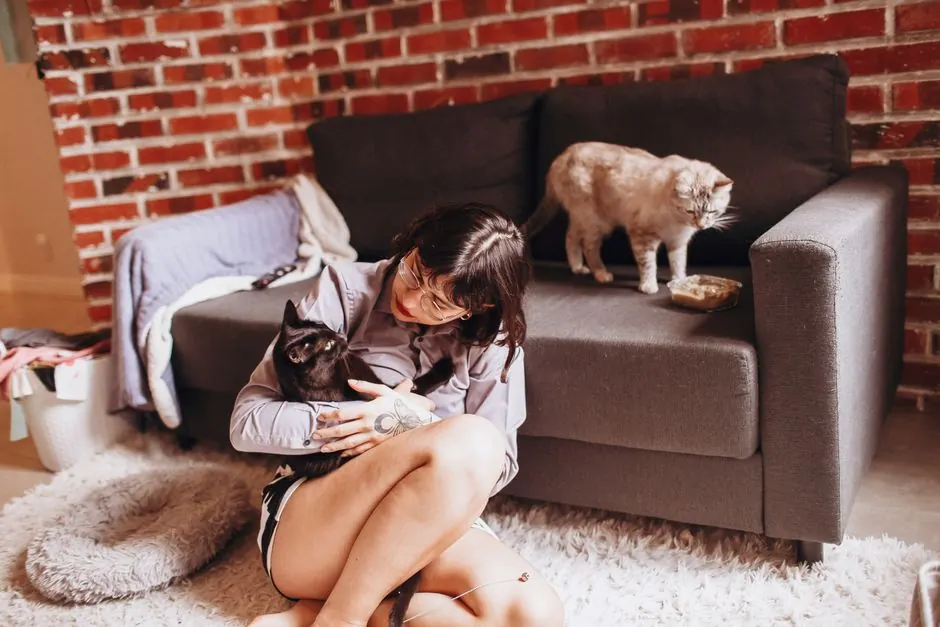
A good log includes every meal and everything else that goes into your pet's mouth, written the same way each time.
The vet advice is short. VCA Hospitals suggests that when you don't know how much your dog is eating, you keep a food diary for 3 to 5 days and record everything that goes into your dog's mouth, including snacks and any food given with medications. The same page says your veterinary team can then assess calorie intake from that information. So the log is yours to keep, and the reading of it belongs to your vet.
Here is a practical set of columns:
| What to write | Example | Why it helps |
|---|---|---|
| Date and time | Sat, 7:30 am | Shows the pattern across days |
| Who fed | Sam | Stops the double feed |
| Food and brand | The food name as printed on the bag | Your vet may ask for it |
| How much was offered | As you measured it, in the unit you use | Keeps the entry exact, not "some" |
| What was left | Finished, or a note about leftovers | Records what happened at pickup |
| Treats and extras | One chew, a spoonful of topper | Treats count too |
| Food used with medication | Pill hidden in a small piece of food | VCA lists this explicitly |
| A short note | Ate slowly, new bowl | Anything you noticed, in plain words |
Write down what you did, not what you think it means. How much to feed, and which food, is a question for your vet. If you want to set up the daily rhythm around the log, our guide to a feeding routine that sticks covers that side.
How do you start a pet feeding log, step by step?
Pick one place, log at the bowl, and use the same words every time.
- Choose one place. Paper next to the food, a note on your phone, or a shared log all work. Two places means two versions of the truth.
- Log at the moment of feeding. Not later, not at the end of the day. A log filled in from memory is the thing you are trying to replace.
- Use the same words. If the scoop is "one scoop" on Monday, it is "one scoop" on Friday. The point is that anyone reading it, including your vet, can compare entries.
- Note leftovers at the next pickup. One word is enough: finished, some left, untouched.
- Add the extras straight away. A treat after a walk, a chew at bedtime, a pill wrapped in food. These are the entries people forget first.
- Keep it light. The routine is what you want to protect, and routines survive when they are flexible. If breakfast slides by an hour on a weekend, you simply write the real time.
If you feed on a schedule your vet gave you, write that schedule at the top of the page, exactly as given, and log against it. Don't change it yourself.
How do you share the log with your household?
Keep one shared record, and check it before anyone fills a bowl.
Shared homes are where feeding mix-ups happen. Item 17 of AKC's list of 75 ways to be a responsible dog owner says family members should decide who will be responsible for food, water, walks and other jobs, and post a schedule of tasks so everyone is reminded of their part. A feeding log is the other half of that: the schedule says who should feed, and the log says who did.
A few habits help:
- Look before you pour. The first step of every feed is a glance at the last entry.
- Log first, or log straight after. Never leave it for someone else.
- Name a backup. If the usual person is away, the log should say who covers.
- Agree the words. One person's "half a cup" is another's "a bit". Pick the unit and stick with it.
With several pets, the log matters more. PDSA notes that when dogs eat together, it can be hard to tell if one isn't eating properly. Among AKC's 10 tips for a multi-pet household, feeding pets in separate areas whenever possible is one that makes appetite easier to monitor, and it works well alongside a log with one line per pet. For the full picture of avoiding double meals, read how to stop your pet being fed twice.
What are the common problems with a feeding log?
Most logs fail for the same few reasons, and each has a quick fix.
- It lives in one person's head. Fix: write it where everyone can see it.
- Entries are vague. "Fed" tells you very little. Fix: record the food, the amount you measured and what was left.
- Treats are left out. Fix: give extras their own column so they are easy to add.
- Two people log the same meal. Fix: look before you pour, and if you find a duplicate, keep both lines and add a note.
- The log is too long. If it feels like paperwork, it stops. Fix: cut it down to the columns you actually use.
What do you do with the log at the vet?
Bring it, or show it on your phone, and let your vet read it.
PDSA's advice is to contact your vet if you notice your dog's eating habits change. A log makes that call easier, because you can say what was offered and what happened across the last several meals rather than relying on memory. If you are ever in doubt about your pet's appetite, call your vet. The log doesn't replace that call, it supports it.
Keep track of it
The easiest log is the one that takes seconds and that everyone can see. Paw Crew, coming soon to iPhone, is built for exactly this. Each meal goes into the Day Ledger with a quick log, reminders mark themselves done when you log, and household sharing through iCloud lets everyone in the home see the same record. When it is time for the vet, a vet-ready report pulls the entries together. It is free for one pet, needs no account, and keeps your data on your iPhone and in your own iCloud.
Bottom line
A feeding log is a small habit with a clear job: one shared record of what was offered, what was eaten and who fed. Write it at the bowl, include the treats, and leave the interpreting to your vet.
คำถาม
- How long should I keep a pet feeding log?
- Ask your vet. One veterinary source suggests a food diary of 3 to 5 days when you don't know how much your dog is eating. Many households keep a simple log going longer, because it only takes a few seconds a meal.
- Do treats go in the feeding log?
- Yes. VCA Hospitals suggests recording everything that goes into your dog's mouth, including snacks and any food given with medications.
- Can a feeding log tell me if my pet is eating enough?
- No. The log is a record, not an assessment. Show it to your vet, who can read it against your pet's age, weight and health.
- What if two people feed the pet?
- Log each meal as you give it, in one shared place, so the next person sees it before they fill the bowl.
แหล่งที่มา
Paw Crew ไม่ให้คำแนะนำด้านสัตวแพทย์ โปรดปรึกษาสัตวแพทย์ของคุณเสมอ