
How Often Should a Dog Be Walked? Building a Walk Schedule
Waktu baca 5 menit
Panduan ini belum tersedia dalam bahasa Anda, jadi berikut versi bahasa Inggrisnya.
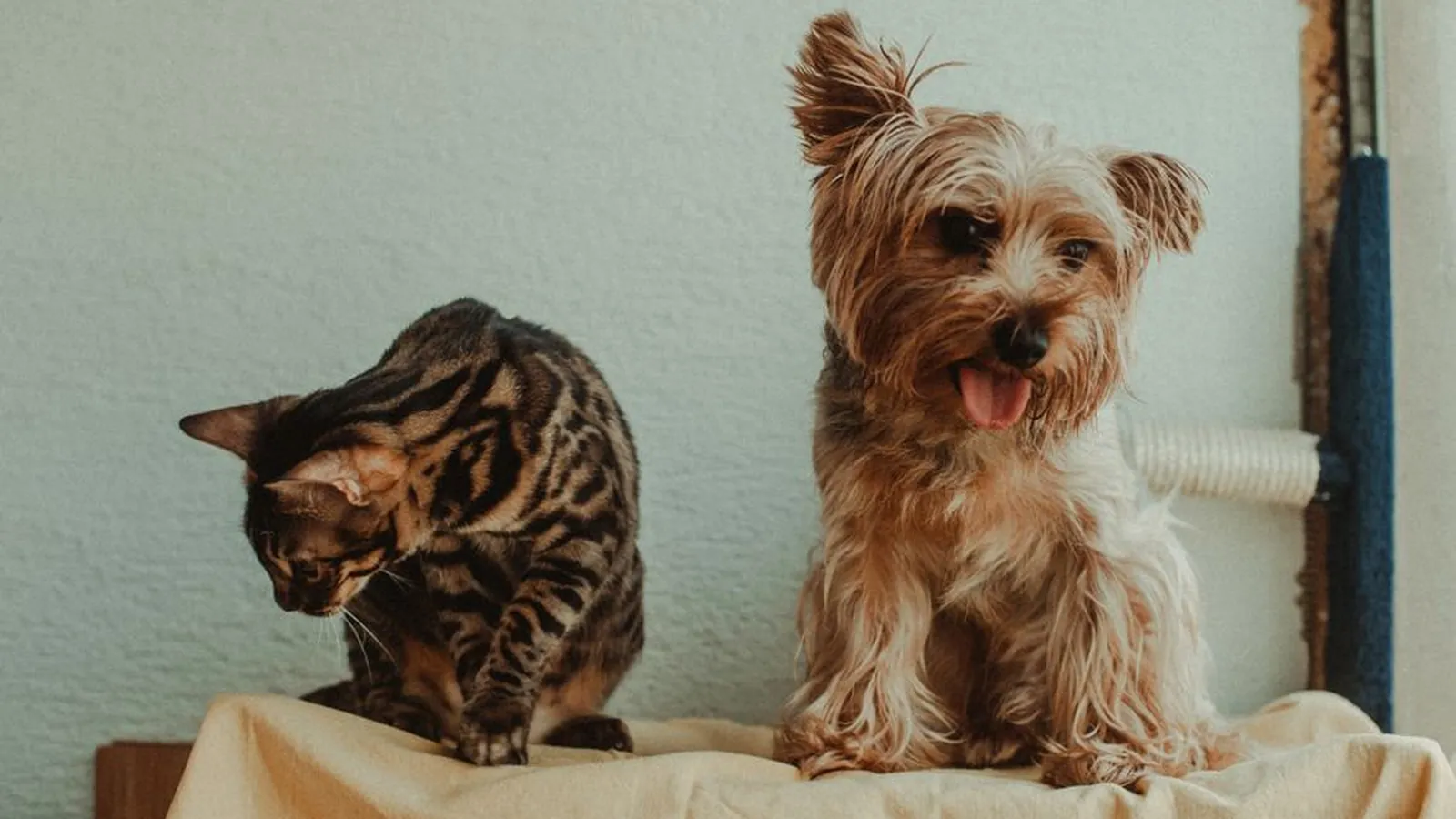
Most dogs need one to two walks a day, according to PDSA, unless a vet advises otherwise. There is no single number that fits every dog, so a good dog walk schedule starts with your dog and your vet, then adds steady timing and a simple record.
This guide is about organising walks, not setting amounts. Your vet knows your dog and sets the numbers. For more guides like this, see our dog guides.
Why is there no single right number of walks?
Because dogs differ a lot. PDSA lists breed, age, health, fitness and personality as the things that shape how much exercise a dog needs. Some breeds need roughly 1 to 2 hours a day, and working breeds need considerably more.
AKC adds energy level, temperament, the weather and the owner's own schedule to the list. In practice, the walks that last are the ones that fit your week as well as your dog.
Not every walk does the same job. PDSA says brisk walks burn energy, while slower sniffing walks support mental health. A dog that spends ten minutes reading one hedge isn't wasting time.
What should you note for each kind of dog?
Start with what the sources say, then check it with your vet. Here is the short version for each.
Puppies
AKC says puppies need potty breaks every 2 to 4 hours, so they go out more often but for shorter distances. A 10-week-old might take a 10-minute walk two or three times a day. Walks after meals can help with potty training, because puppies often need to go right after eating.
Public walks have their own timing. AKC's vet suggests waiting two weeks after the last booster, so ask your vet when your puppy is ready. Our new puppy first-week checklist covers the other early tasks worth writing down.
Adult dogs
AKC says that for a dog that is inactive or out of shape, a 10 to 15 minute walk is a reasonable place to begin. If there are no underlying health concerns, walks can get longer gradually, or the dog can go out twice a day. PDSA agrees that fitness should be built gradually, especially before running or hiking.
Senior dogs and dogs with health concerns
Older dogs may need a little less exercise than they used to, says PDSA. AKC says the pace should be slower, and that slow and frequent movement is beneficial for dogs with arthritis. If a dog is limping, stopping or lying down on walks, AKC advises consulting a veterinarian before changing the routine.
Unwell or injured dogs may need less activity still. PDSA's advice is to always follow your vet's advice.
How do you fit walks into your week?
Pick times you can actually keep. AKC quotes a vet who says routine helps dogs feel secure because they know what to expect, so walks at roughly the same time each day are better than a different pattern each week.
A few things to plan around:
- Who walks when. In a shared home, agree who has the morning and who has the evening, and swap on busy days.
- The weather. PDSA suggests walking in cooler hours in summer and carrying water. In dark months, high-visibility gear helps your dog be seen.
- Safety basics. PDSA says to keep dogs on a lead near roads, in built-up areas and around livestock, and it does not recommend extendable leads.
- Surfaces. AKC suggests grass or trails over asphalt or concrete to reduce wear on joints.
- Short-walk days. AKC points to mental enrichment such as training games, hide-and-seek with treats and puzzle toys for dogs that cannot walk far.
What does a week of walks look like on paper?
A plain table is enough. Fill in the times your household actually keeps, and bring it to your vet if they ask how the routine is going.
| Part of the day | Who walks | Time you aim for | Logged? |
|---|---|---|---|
| Morning | One adult | Same time most days | Yes |
| Evening | Another adult | Same time most days | Yes |
| Wet or hot days | Whoever is home | Shorter outing, plus play or training | Yes |
The numbers in the table are yours to fill in with your vet's guidance. The point is the pattern: each slot has a name next to it, so nobody wonders whether the dog has been out. After a few weeks the record also shows how often walks really happen, which is more honest than memory.
It also helps when someone new steps in. A neighbour, a visiting relative or a pet sitter can read the same page and know the usual times, the usual route and anything your vet has asked you to watch for. That keeps your dog's day familiar even when the person holding the lead changes.
What are the common mistakes?
- Changing the routine without asking. If your dog's health or mobility changes, talk to your vet before you lengthen or shorten walks.
- Guessing who walked. In a household, two people can each assume the other did the walk, or both go out. A shared record fixes that.
- Building up too fast. PDSA says to ease a dog into new activities such as running or hiking to help prevent injury.
- Treating walks as the only exercise. On rest days or in bad weather, play and training count too.
Keep track of it
A walk routine holds up when everyone can see it. Write down each walk: who went, roughly when, and anything you want your vet to hear about later. Our guide to a dog walk log for a household shows one simple way to do it.
Paw Crew, coming soon to iPhone, is built for this. You log a walk in the Day Ledger with a quick tap, reminders mark done when the walk is logged, and household sharing through iCloud means everyone sees the same Now line. Paw Crew logs and reminds. The schedule itself is the one you and your vet agree on.
Bottom line
Most dogs need one to two walks a day unless a vet says otherwise, and the right amount depends on age, health, breed and personality. Ask your vet, keep the times steady, and write each walk down so the whole household stays in step.
Pertanyaan
- How many walks a day does a dog need?
- PDSA says most dogs need one to two walks a day unless a vet advises otherwise. Breed, age, health and personality all change that, so ask your vet about your own dog.
- Is it better to walk a dog at the same time every day?
- AKC quotes a vet who says routine helps dogs feel secure because they know what to expect. Walking at roughly the same times each day is a simple way to give them that.
- How often does a puppy need to go out?
- AKC says puppies need potty breaks every 2 to 4 hours, so they go out more often for shorter distances. A 10-week-old might take a 10-minute walk two or three times a day. Ask your vet when public walks are safe.
- Do older dogs still need walks?
- Usually, but at a slower pace. PDSA notes seniors may need a little less exercise than before, and AKC says to consult a veterinarian before changing the routine.
Sumber
Paw Crew tidak memberikan saran dokter hewan. Selalu konsultasikan dengan dokter hewan Anda.